PART 2
Superconducting qubits got the headlines. But photons may be building the real future.
In 2019, Google said it achieved quantum supremacy. In 2020, China’s Jiuzhang machine actually did it — using photons, not electricity. So why did one story make headlines and the other disappear?
The answer has less to do with physics and more to do with branding.
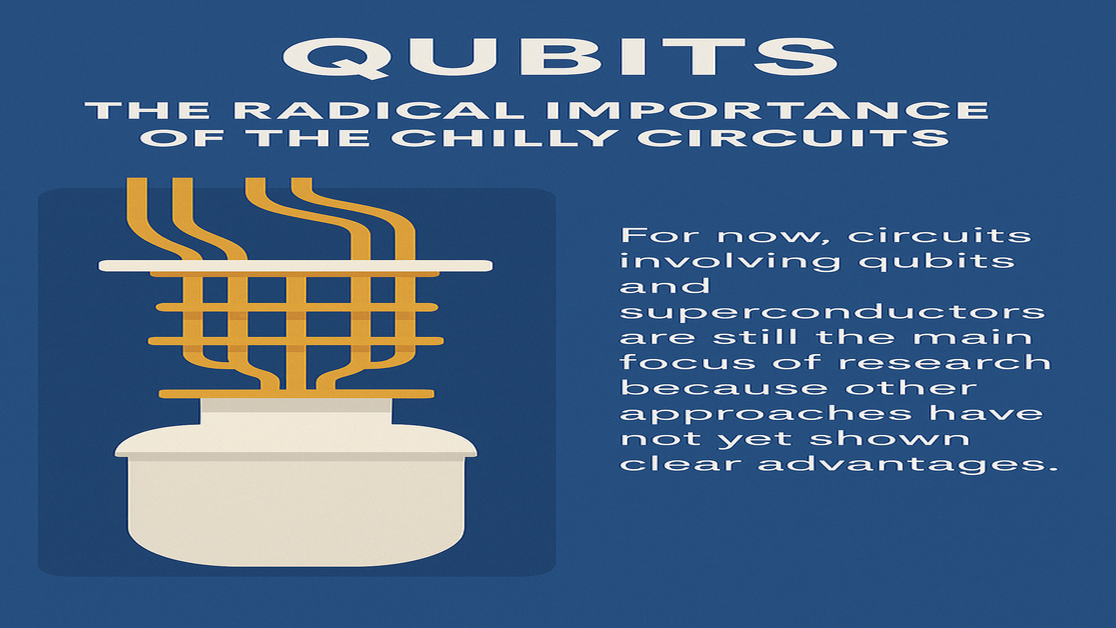
Google used superconducting qubits — programmable circuits, operating at near absolute zero, fed through their custom-designed Sycamore processor. It was cold, expensive, proprietary, and perfect for media.
Jiuzhang was none of that. No circuits. No software. Just light.
Instead of flipping quantum bits like coins, Jiuzhang used lasers, mirrors, and photon detectors to answer a very specific (but very hard) problem — Gaussian Boson Sampling. It worked beautifully. It shattered every classical limit. But it didn’t look like a computer.
That was the problem.
Because superconducting systems are corporate-compatible. They fit the model. They live in datacenters. They’re programmable, brandable, roadmap-friendly. You can put a logo on them and call them the future.
Photonic systems? Not so much. They don’t need electricity. They don’t need code. They can’t be boxed up into enterprise SaaS.
Jiuzhang wasn’t a step in the digital revolution. It was the start of something else entirely.
Which is why it got buried.
The truth is, we’re in the middle of a quantum Beta vs. VHS war. Superconducting qubits are noisy, fragile, expensive — but popular. Photons are elegant, fast, potentially scalable — but unfamiliar. Beta was technically superior. VHS won. For a while.
But quantum doesn’t care who’s comfortable.
The machine that actually achieved supremacy may be the one nobody saw coming
Stay tuned for part 3 coming soon!