Over the past three years, the global alcohol market has been experiencing a subtle but steady shift. Wine, beer, and spirits are no longer moving in lockstep, and the numbers tell a story of changing tastes, price strategies, and cultural currents.
Wine has been hit hardest. According to the International Organisation of Vine and Wine, global wine consumption fell 2.6% in 2023, to 221 million hectoliters—the lowest since 1996. The decline continued in 2024, with a 3.5% drop in value and a 5.3% drop in volume, making wine the steepest-declining category in beverage alcohol. Even a resilient premium tier—bottles in the $15–$25 range—couldn’t reverse the overall downward trajectory.
Beer’s story is more nuanced. Global volume slipped just 1% in 2024, but value rose by 4%. The numbers suggest that brewers have offset shrinking volume through premiumization—charging more for higher-quality or more specialized products. That strategy has kept revenue growth in positive territory, even as consumption softens.
Spirits show a mixed global picture. In the U.S., the category contracted by 2% in 2023—the first drop in nearly 30 years—reflecting headwinds from shifting consumer habits, cannabis legalization, and the popularity of weight-loss drugs. Globally, however, spirits still post growth: the market was worth USD 145.9 billion in 2024 and is forecast to reach USD 152.9 billion in 2025, with a projected 4.8% compound annual growth rate pushing it toward USD 189 billion by 2029. Premium agave spirits, such as tequila and mezcal, stand out with 4% volume growth and 7% value growth.
Running in parallel to these declines in traditional categories is one of the most striking developments in the global drinks market: the rise of non-alcoholic alternatives. In 2024, while overall alcohol consumption slipped 1%, non-alcoholic beer volume jumped 9%, making it the fastest-growing beverage alcohol segment. It now accounts for roughly 2% of global beer volume and is expected to outpace ale in some markets. More broadly, the no- and low-alcohol beer, wine, and spirits market reached nearly USD 20 billion in 2023—double its 2019 size—and is growing at about 7% annually through 2028. A global study across 10 countries found 61 million new buyers of non-alcoholic products between 2022 and 2024.
This shift is being driven by younger, health-conscious consumers, especially in emerging markets. India, South Africa, Southeast Asia, and Latin America—along with Mexico—are seeing rising consumption of both premium alcoholic drinks and high-quality non-alcoholic alternatives. In India, whisky brands have surged to dominate over half of the world’s top-20 most consumed whiskies, underscoring the strength of these markets in sheer volume growth. Urbanization, a growing middle class, and evolving social attitudes are all feeding into higher demand.
For producers looking to reverse declines, the playbook is becoming clear. Invest in non-alcoholic lines that match the quality and experience of their alcoholic counterparts. Lean into premium categories—whether in wine, beer, or spirits—where price increases can offset volume dips. Expand in the ready-to-drink (RTD) space, which saw volume rise 2% and value 6% in 2024, with growth forecasts of 3% per year. And pay close attention to high-growth emerging markets, where rising incomes and a taste for premium products can deliver volume and value gains simultaneously.
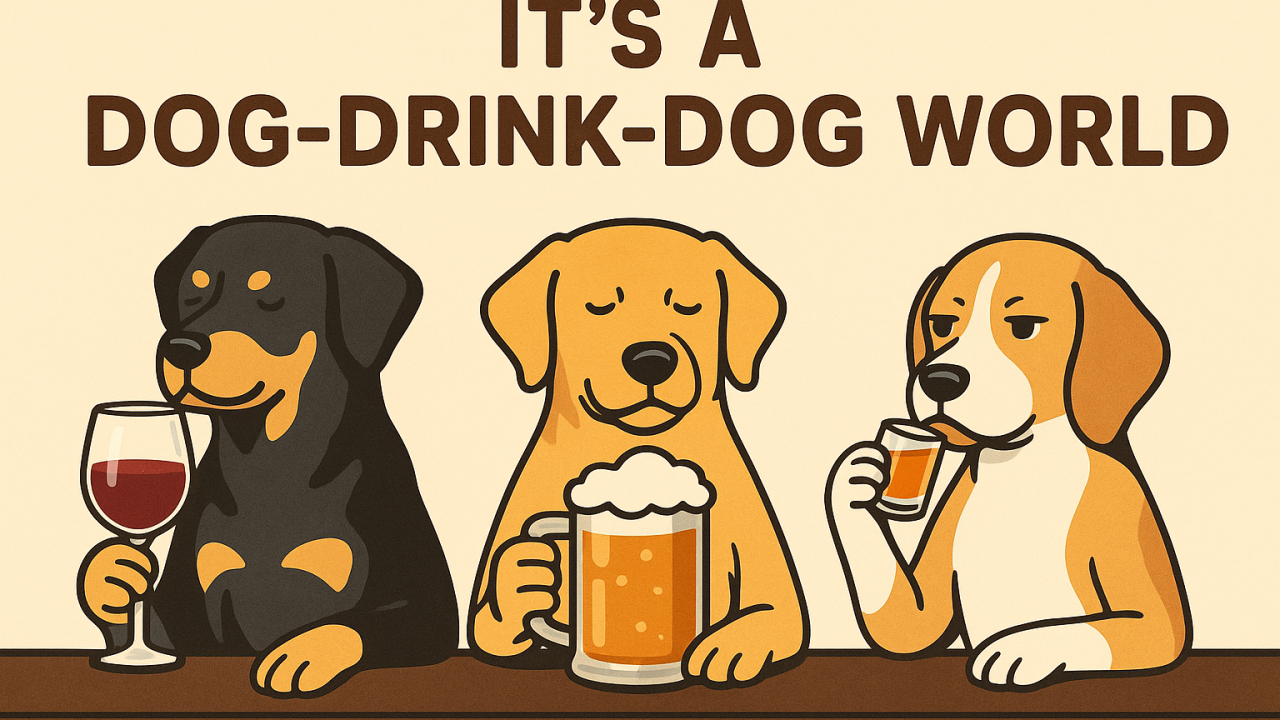
At the same time, it’s becoming a dog-eat-dog—or perhaps dog-drink-dog—world. If the overall pie is shrinking, the smartest marketers will fight to secure a bigger slice, even if total consumption is falling. The warning, though, is that all of this is based on global figures. Your local market may be moving in the opposite direction, so this advice might not apply equally everywhere.
The global drinks market is not disappearing—it’s shifting. The winners in the next decade will be those who adapt to changing lifestyles, health priorities, and regional consumption trends, meeting consumers where their tastes are headed, not where they used to be.